Scaling · 3 min read
Recipe Scaling Factor: the method, worked through
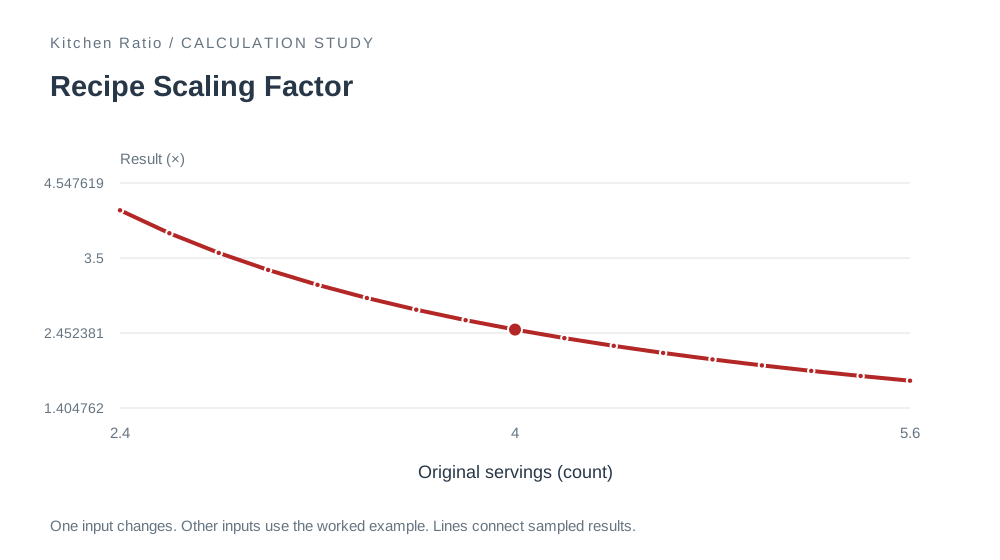
A scaling factor translates every scalable ingredient from the original yield to the desired yield.
Work through the formula, compare a few scenarios and know where the model stops.
A scaling factor translates every scalable ingredient from the original yield to the desired yield.
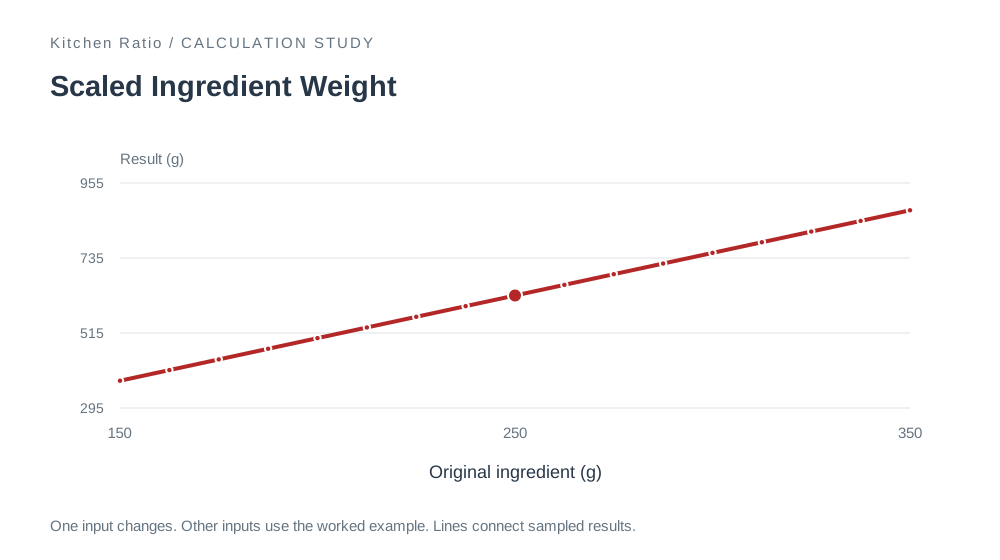
Ingredient weights can be scaled directly when portion sizes and the recipe method stay consistent.
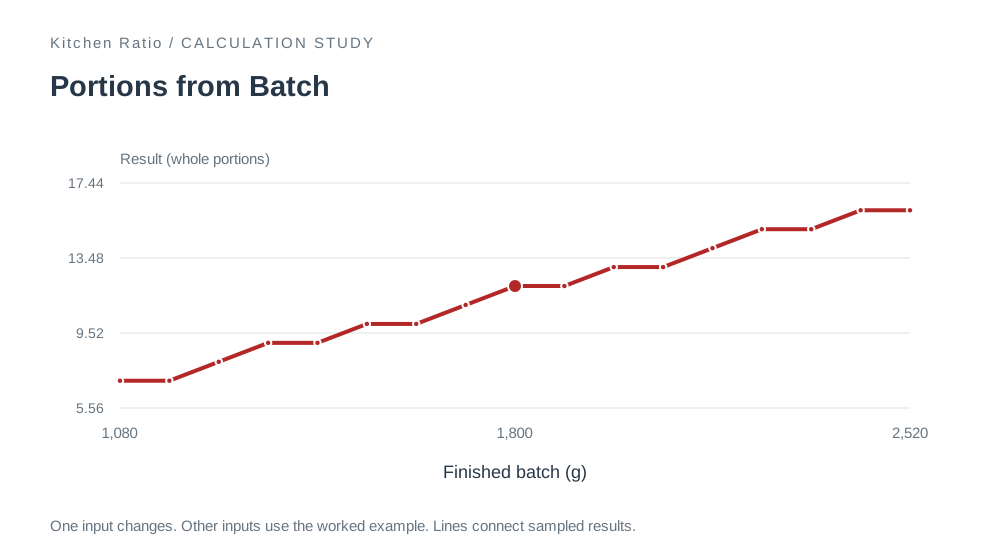
Whole-portion count shows how many complete servings fit in a measured finished batch.
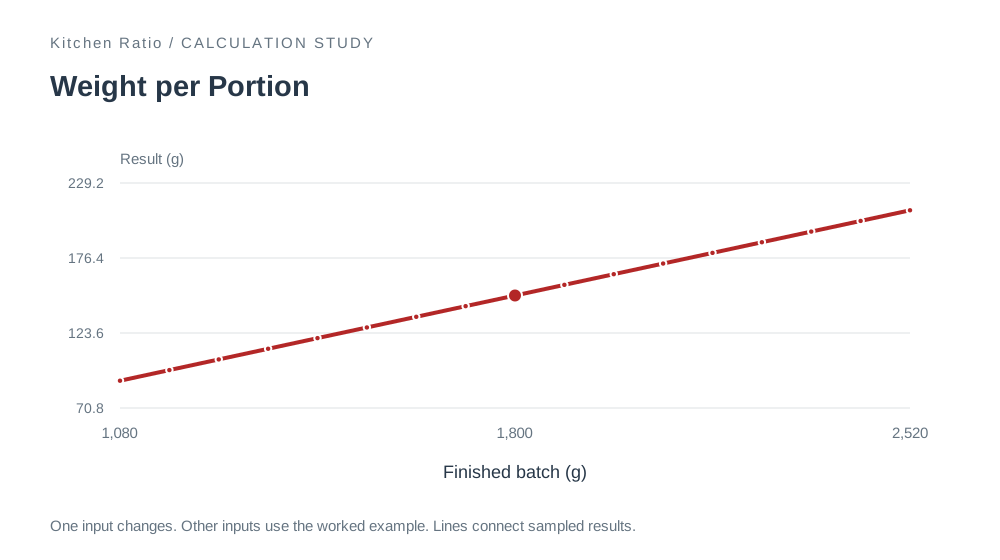
Dividing a finished batch equally gives a target serving weight.
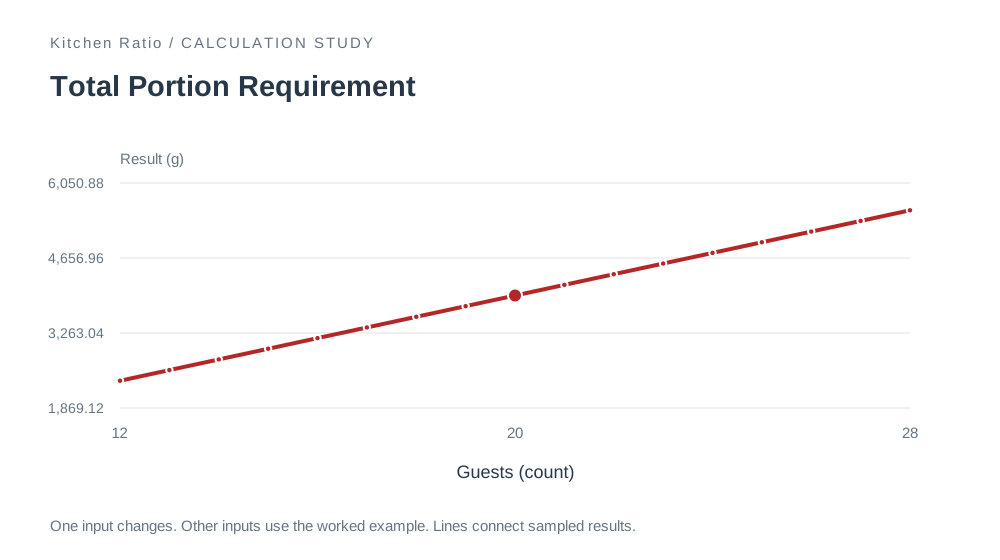
A guest count, portion plan and explicit extra allowance create a transparent batch target.
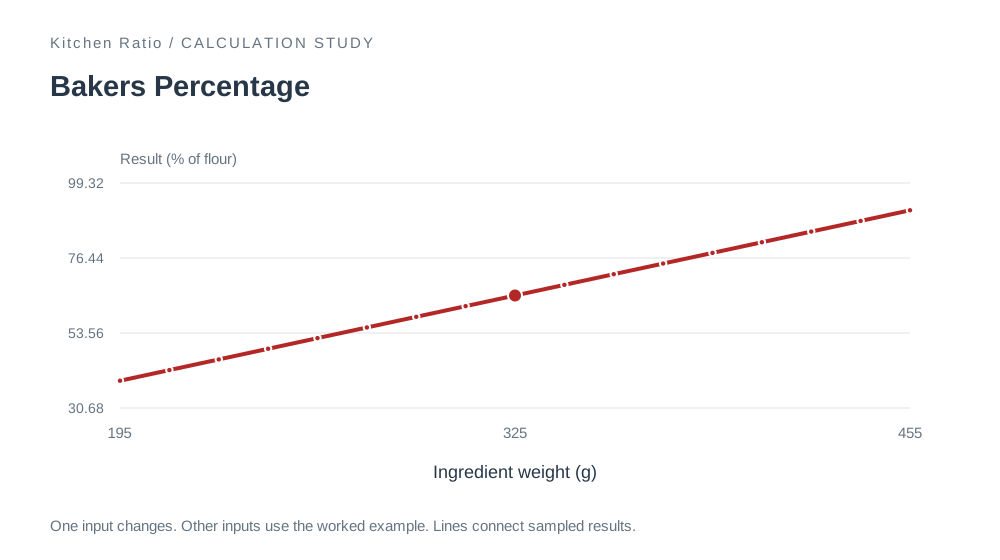
Baker's percentage expresses an ingredient relative to total flour rather than total dough mass.
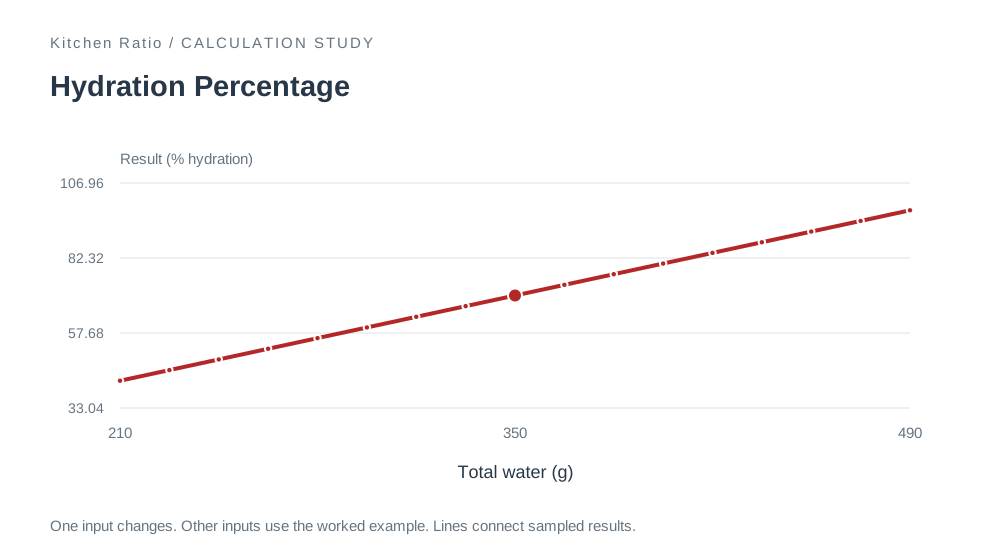
Dough hydration compares water mass with flour mass and helps describe a formula's balance.
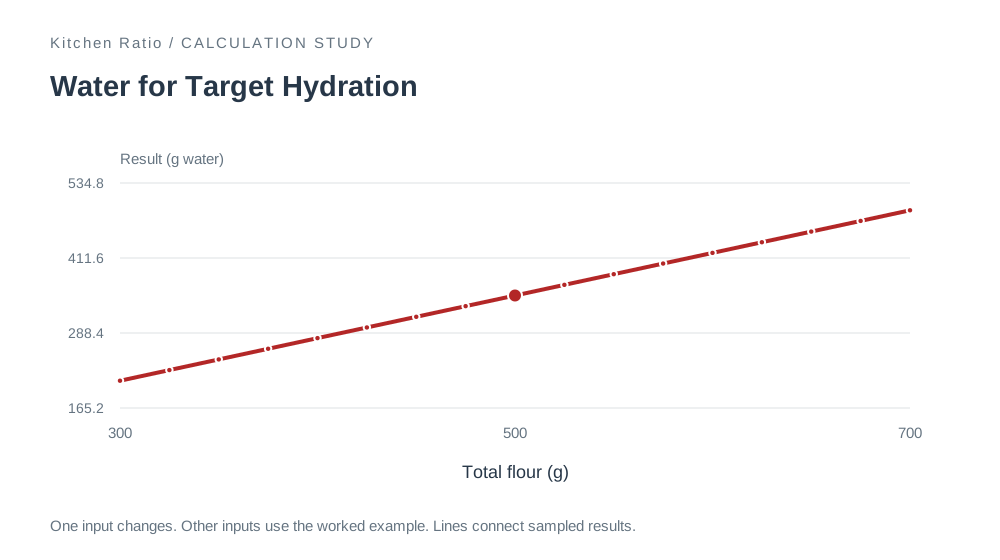
A target hydration converts a flour quantity into a total water requirement.
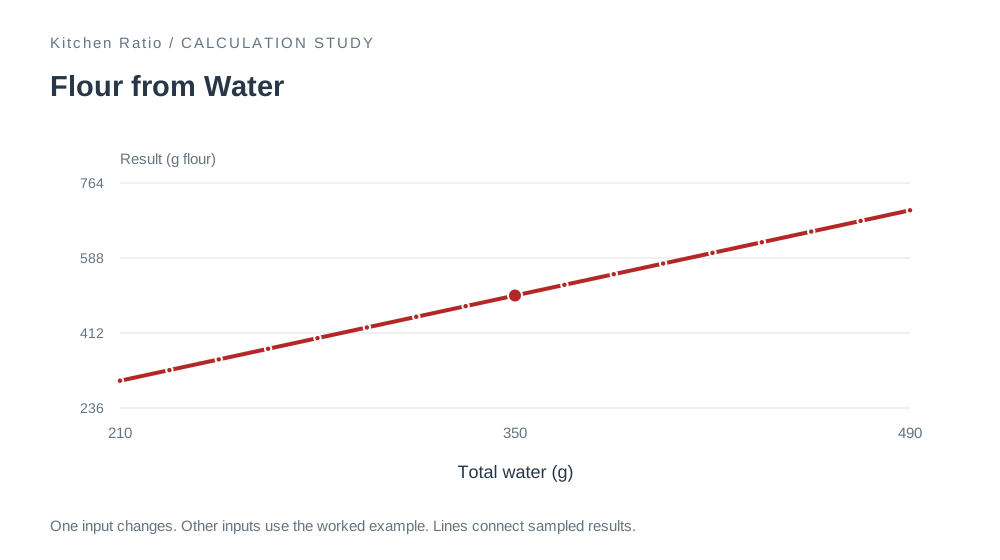
Reversing the hydration ratio finds how much total flour balances a fixed water quantity.
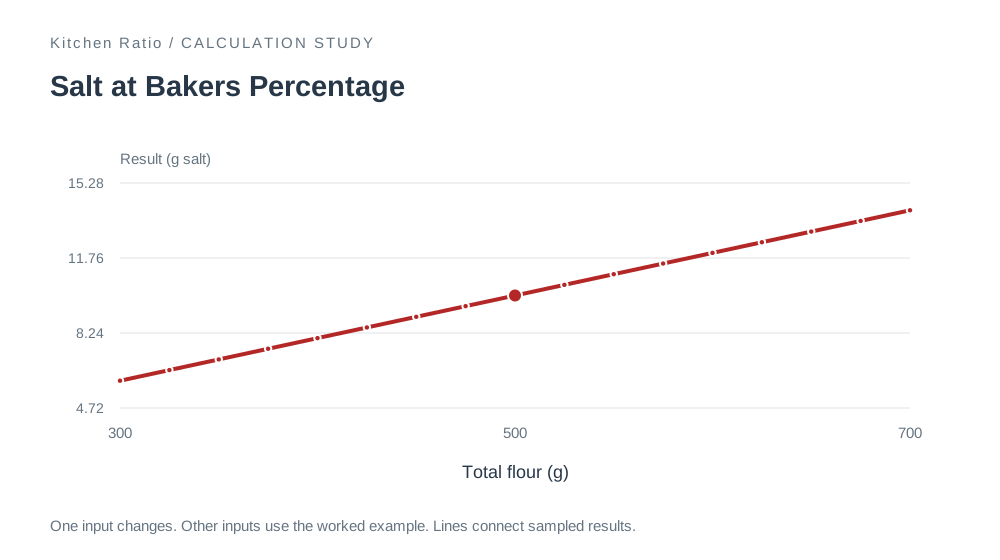
Salt can be recorded in baker's percentage to keep a formula consistent across batch sizes.
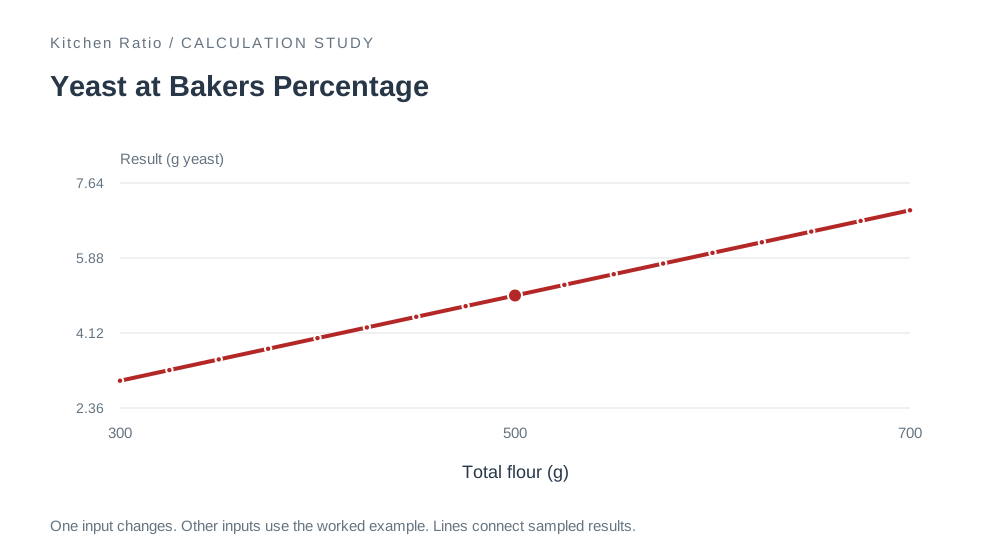
Recording yeast as a share of flour makes a formula easy to reproduce at different sizes.
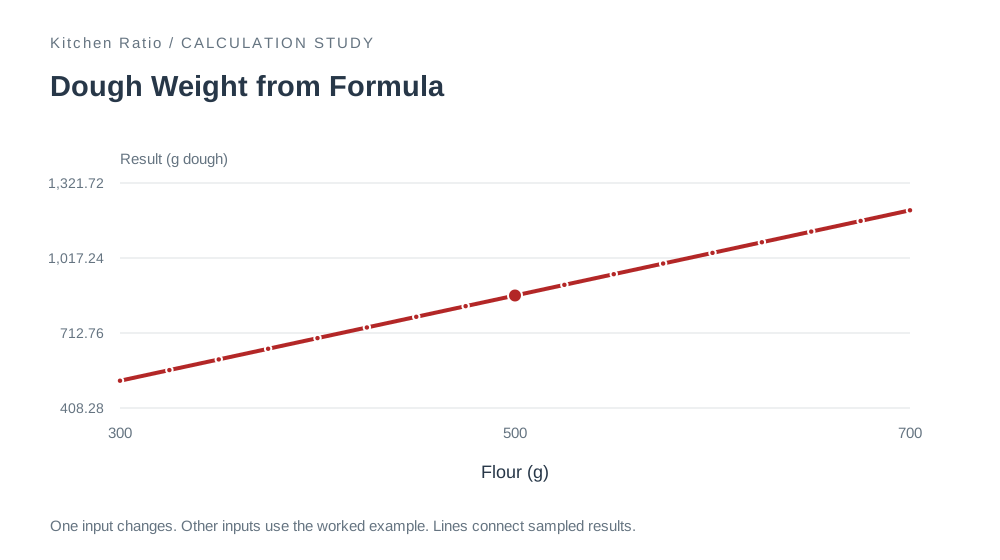
Adding the flour and entered baker's percentages predicts the weight of a simple four-ingredient dough.
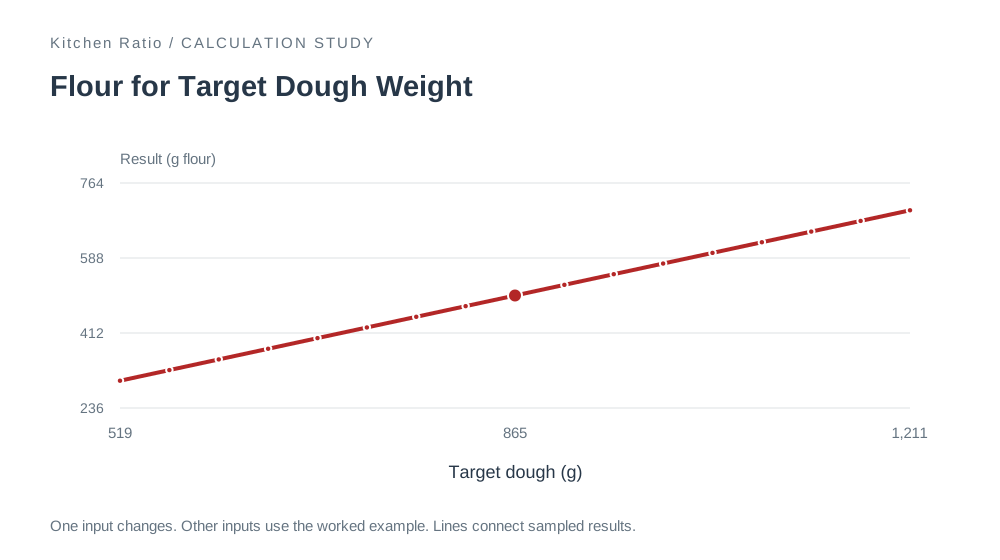
Dividing a target dough weight by the formula factor recovers the flour basis for the batch.
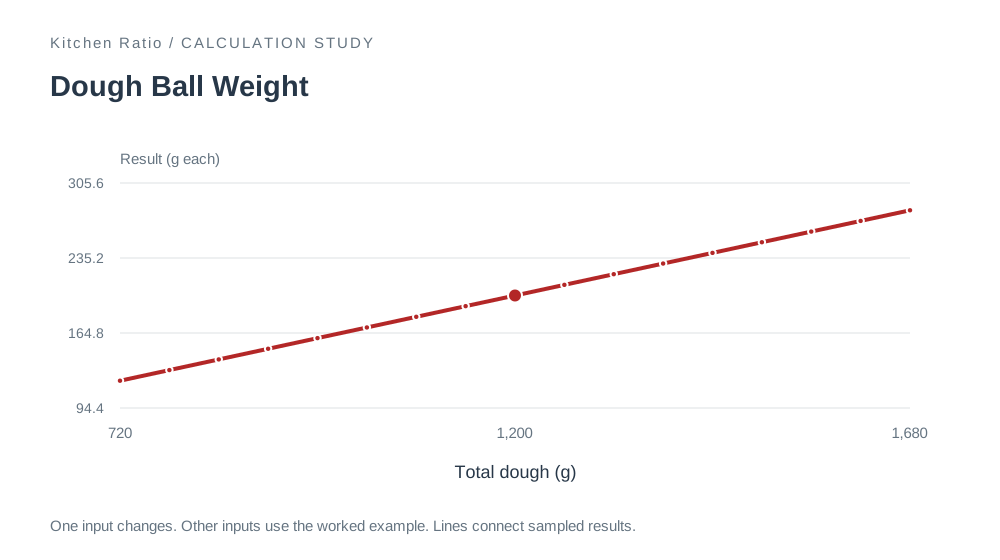
Equal dough portions help keep size and baking behaviour consistent within a batch.
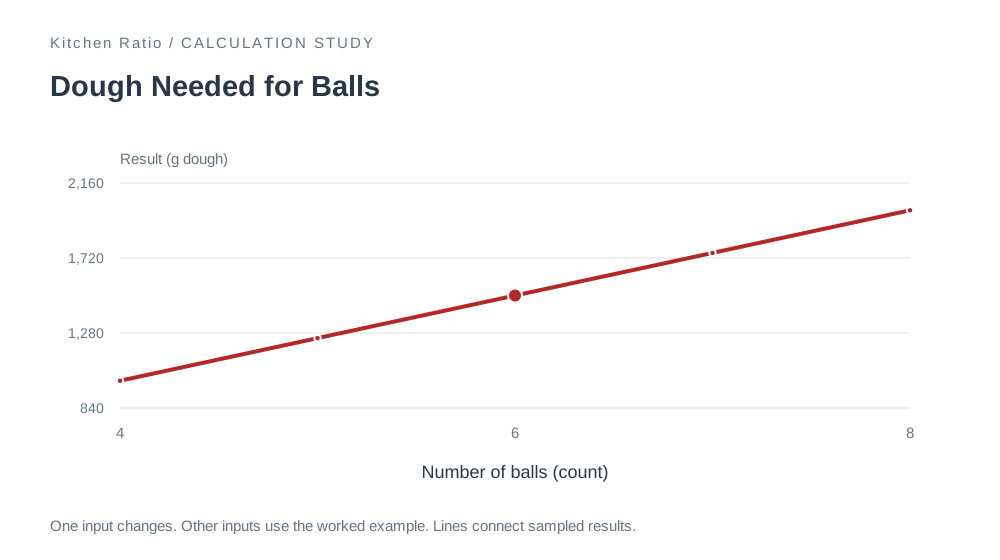
Working backward from a chosen portion weight sets the dough production target.
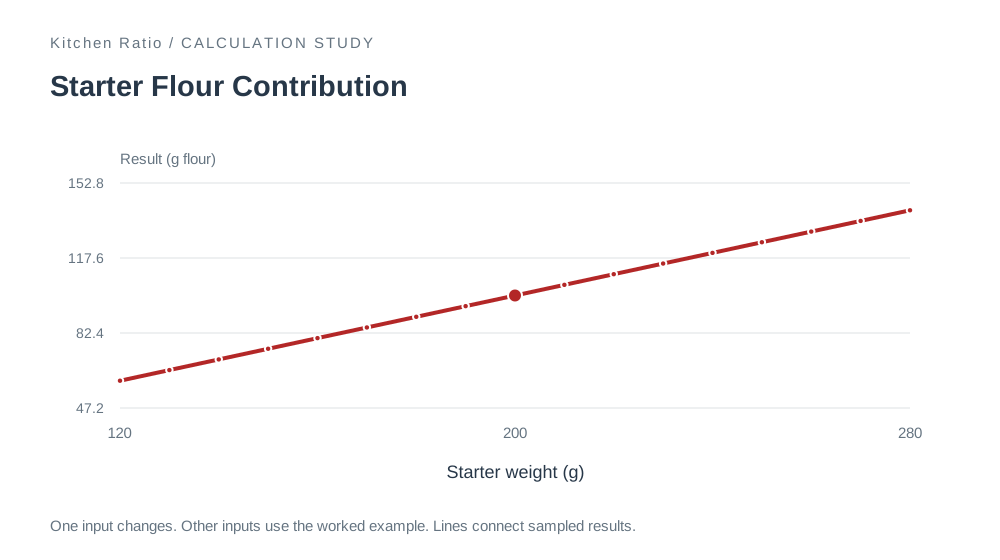
A starter containing only flour and water can be split into its two components using hydration.
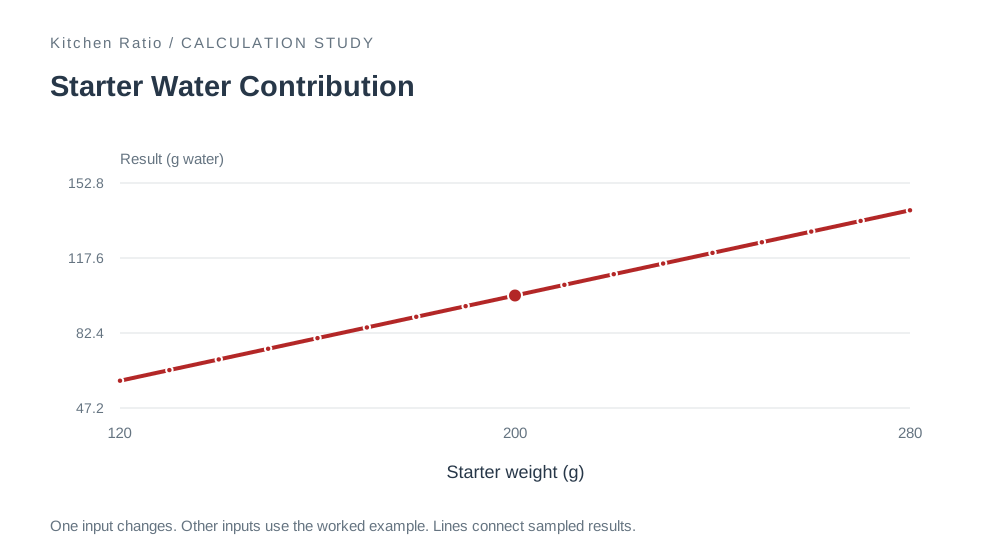
The water share of a preferment must be counted in final dough hydration.
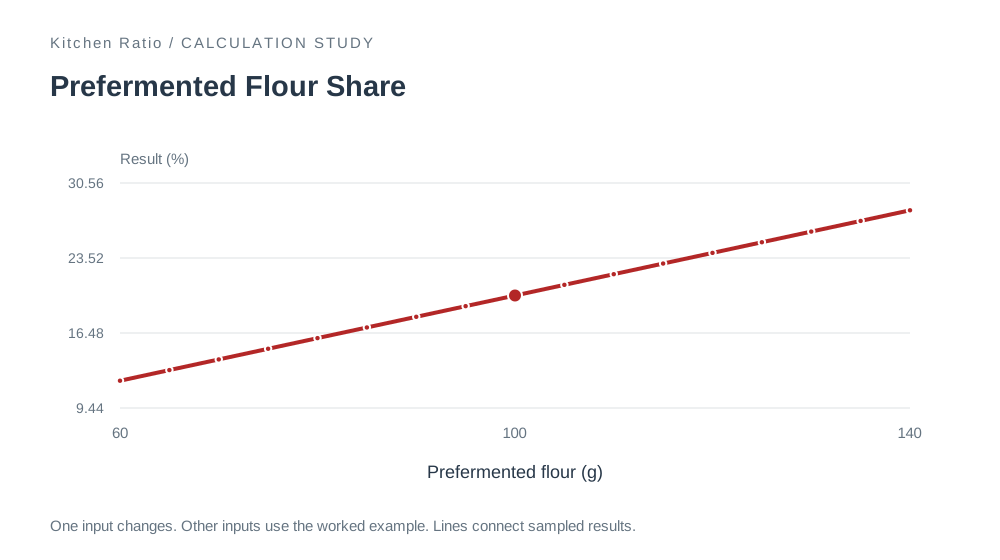
Prefermented flour percentage compares the flour fermented in advance with the total flour in the dough.
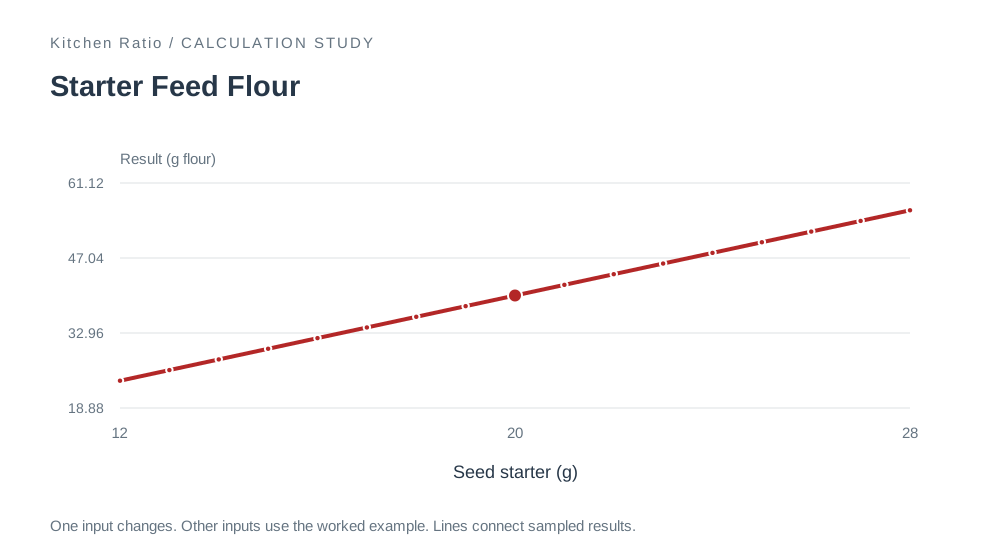
A feed ratio makes starter refreshments repeatable by mass.
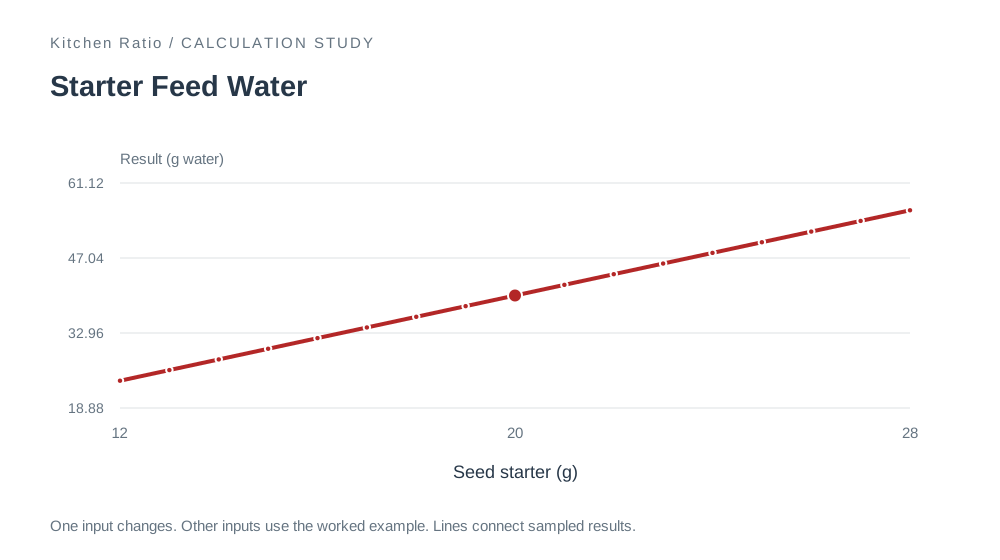
Water additions can be calculated independently from a chosen feed ratio.
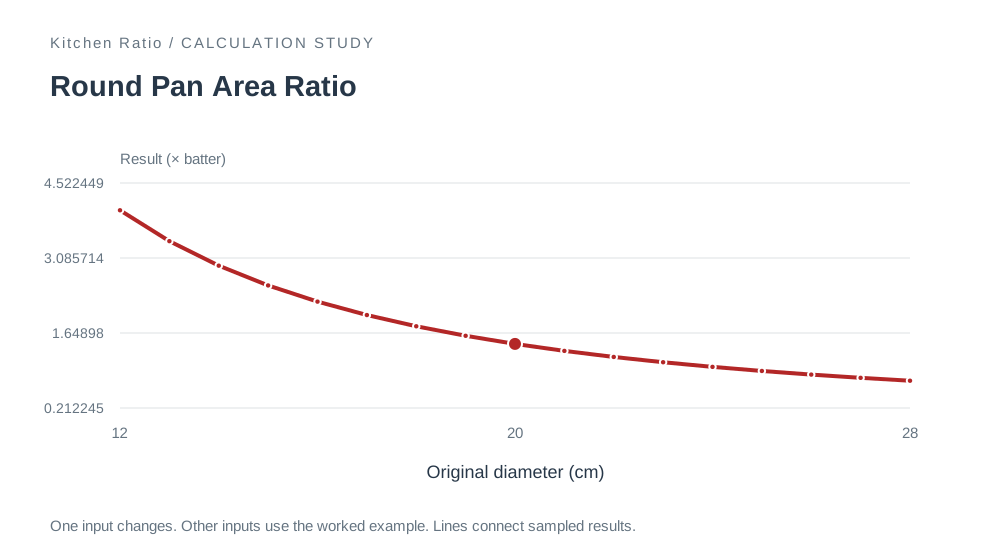
Equal-depth round pans require batter in proportion to their base areas.
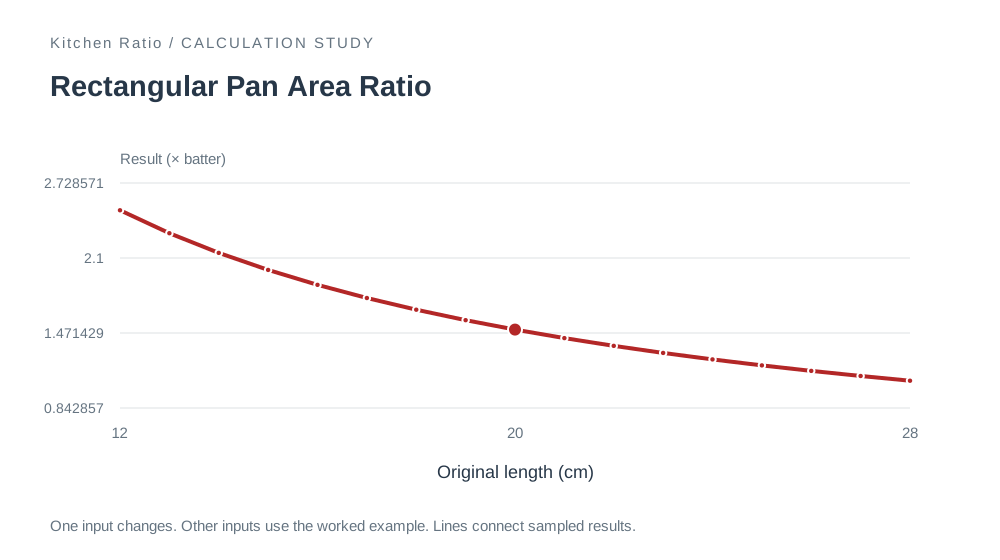
Comparing rectangular base areas suggests a batter scaling factor for the same depth.
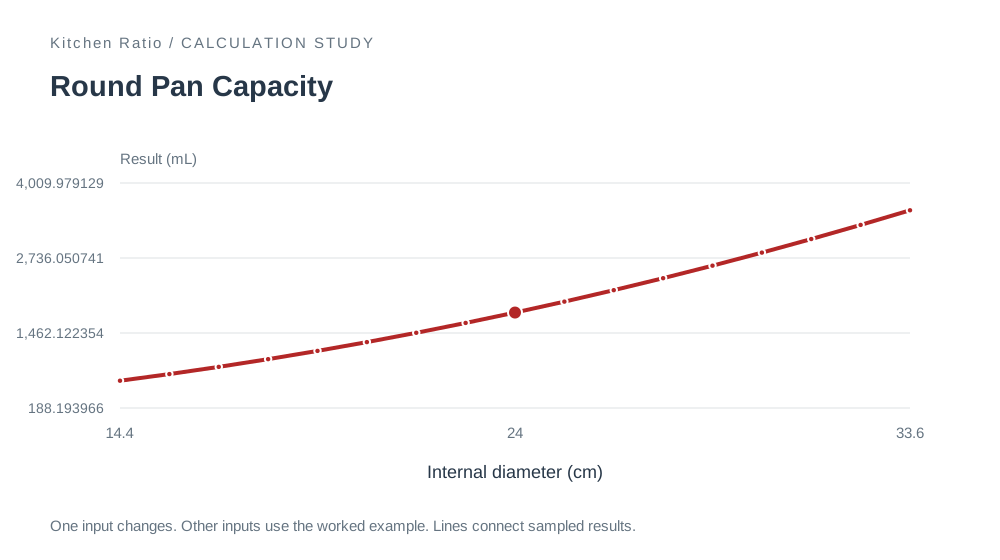
A straight-sided round pan's usable fill volume follows cylinder geometry.
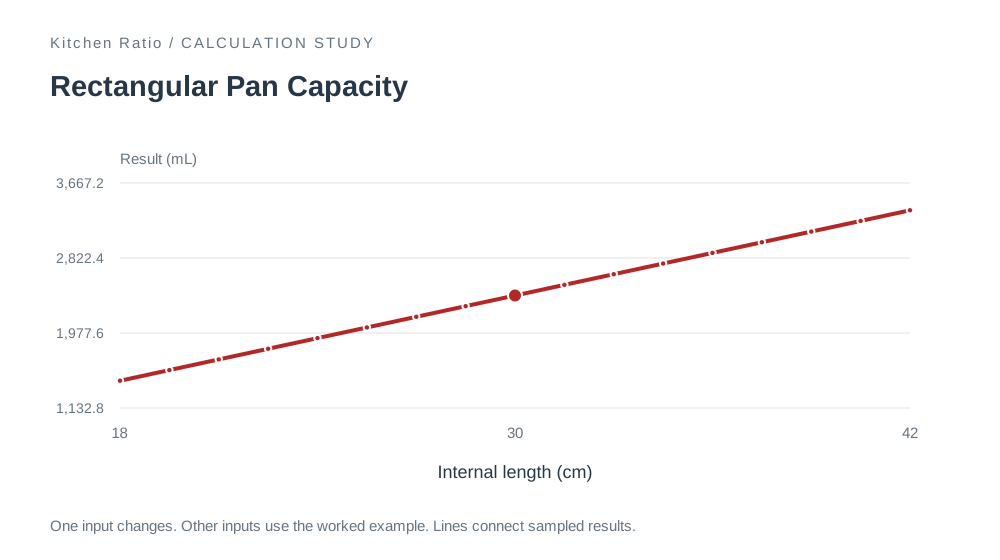
A straight-sided rectangular pan's volume gives a starting point for comparing containers.
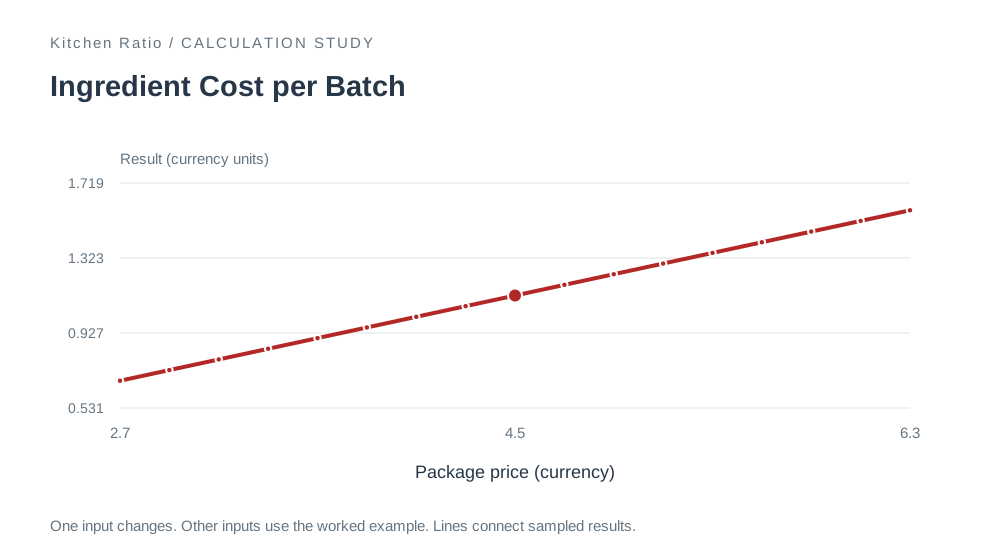
Allocating package cost by weight estimates the ingredient cost consumed in a recipe.
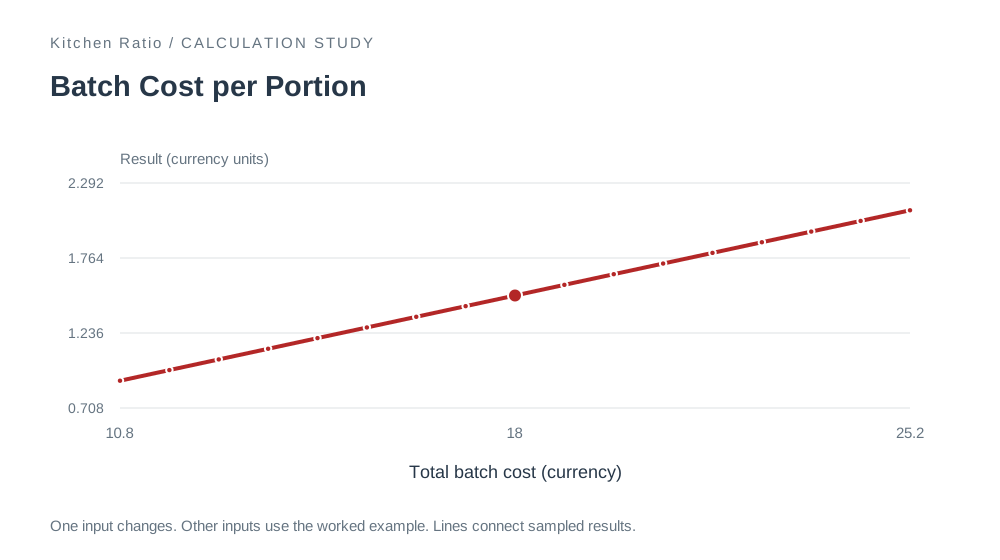
Dividing a complete batch cost across portions supports consistent kitchen records.
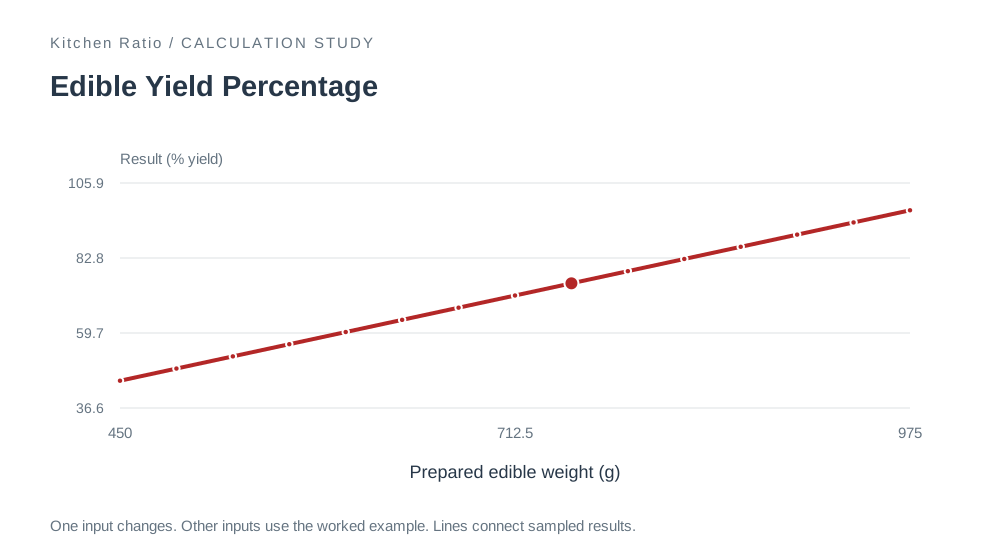
Edible yield records how much of a purchased ingredient remains after preparation.
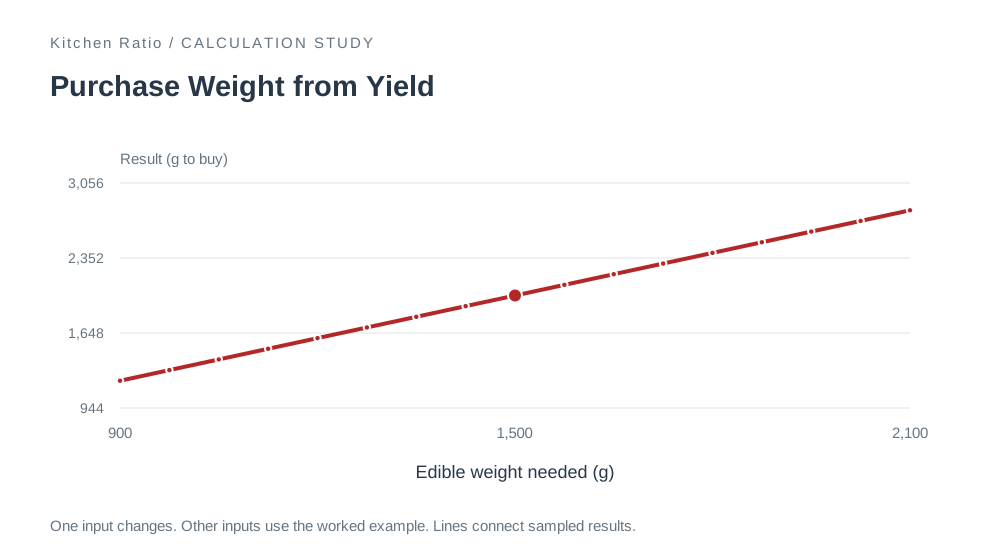
A known edible yield converts the desired prepared amount into a purchasing target.
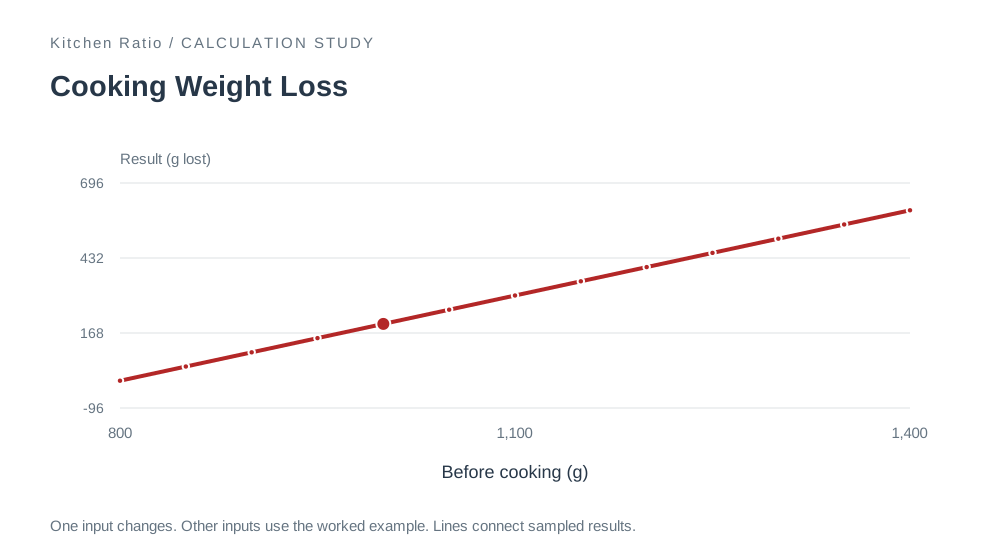
Comparing before and after weights measures net mass loss during cooking.
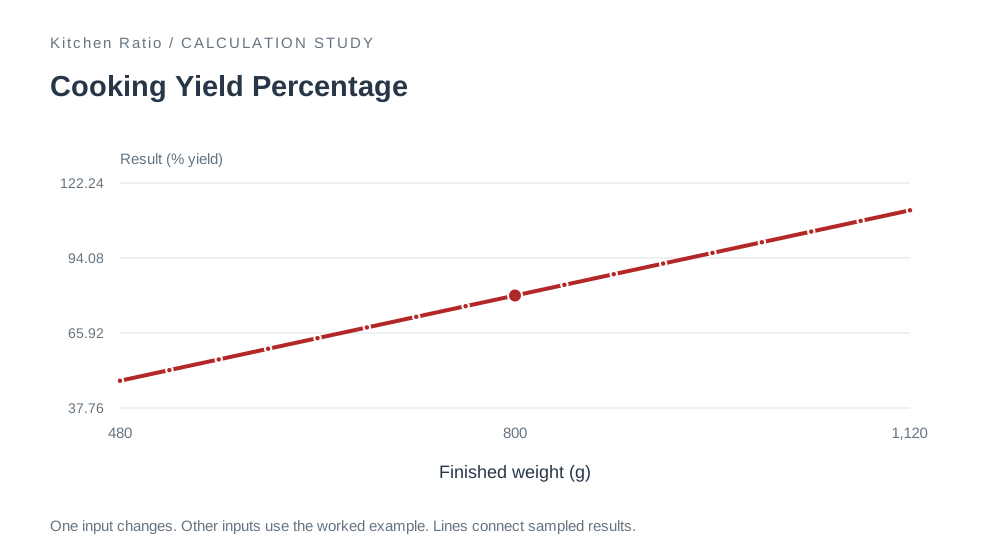
A cooking yield expresses finished mass relative to starting mass and may exceed one hundred percent for water-absorbing foods.
No matching articles. Try a shorter search or choose all categories.